Range Rover Evoque engine problems are a leading cause of unexpected garage bills. The car looks premium, but major repairs certainly are not. Most faults start small, then get loud and expensive later. Every issue has a clear cause, a warning sign, and a fix.
Here are the seven engine problems that cost the most to repair.
A dry rattle when you start the engine on a cold morning is the classic Evoque warning sign. It comes from the chain that drives the camshafts. On the two-litre diesel engine, this chain sits at the back. It relies on plastic guides held tight by oil pressure.
When engine oil thins down, pressure drops at start-up. The chain slaps against the guides, cracking the plastic and dropping debris into the oil system. If the chain jumps a tooth, the engine is ruined.
No additive will fix a stretched chain. A specialist must scan the engine to check camshaft alignment, then fit an updated chain kit. This includes stronger links, improved guides, a new tensioner, and fresh phasers, along with a full oil system flush. Always ask if this work has already been completed before buying a used Evoque.
If a “Service Required” message appears long before your service is due, or if you notice a fuel smell on the dipstick, unburnt diesel is entering your engine oil.
To clear soot from the diesel particulate filter (DPF), the engine injects extra fuel late in the combustion cycle. If you turn off the ignition before this process finishes, that extra fuel washes past the piston rings into the oil sump.
Land Rover guidelines state that a six per cent fuel mix in the oil causes harm. Thin oil fails to protect the timing chain or turbo bearings.
Change the oil and filter well ahead of the official service interval. Update the engine software to the latest version, and take regular long drives so the DPF can finish its clean-up cycles.
A sudden loss of power, black exhaust smoke, and an engine warning light usually point to a blocked DPF. This issue happens frequently during town driving.
The DPF cleans itself only when the exhaust gets hot on long, steady journeys. Short trips and idling prevent the system from heating up, so soot builds up quickly.
A split or perished hose on the exhaust pressure sensor can trick the car’s computer into thinking the filter is blocked when it is fine. Always check sensor hoses first, as a replacement hose costs very little compared to a new filter.
If ash builds up in the filter, send the unit for a specialist machine clean rather than buying a new one. Fix the underlying issue before reinstalling the filter, or it will block again.
Tip: Take the car on a steady 30-minute motorway run once every two weeks. If you only ever drive short distances, choose a petrol model instead of a diesel.
A rough idle, hesitation under acceleration, and dark intake hoses point toward a faulty Exhaust Gas Recirculation (EGR) valve. The valve routes dirty exhaust gases back into the engine to cut emissions. Over time, carbon builds up and jams the valve open.
The Symptoms and Risks
If you keep topping up the coolant reservoir without seeing a puddle on the floor, the cooler may be leaking internally. Treat this urgently. If the cooler fails completely, fluid can lock the cylinders and warp the cylinder head.
A loss of power in the mid-rev range, a high-pitched whistling noise, or oil inside the intercooler hoses all signal turbo problems.
The turbo spins at high speeds on a thin film of oil. Contaminated oil, late service intervals, or plastic fragments from broken timing chain guides starve the turbo bearings of lubrication.
If the engine keeps revving after you take your foot off the accelerator, turn the ignition off safely and stop immediately. A broken turbo seal can force the engine to burn its own oil, leading to a dangerous engine runaway that destroys the unit.
Never replace a turbocharger without fixing the original cause of the failure. Always clean the oil system, fit new supply pipes, and clear the air intake system alongside the new turbo unit.
A dropping coolant level, a sweet smell inside the cabin, or a radiator fan that runs long after turning the car off are all early warnings of a cooling leak.
The water pump and thermostat housings are made from moulded plastic. Over time, engine heat makes these parts brittle, causing them to warp and leak at the joints.
Pressure test the cooling system during regular services to spot small leaks early. Replace the water pump, thermostat housing, and seals as a single job. Always flush and refill the system with proper coolant mix rather than plain water. Petrol engines are especially vulnerable to hot spots and head gasket damage from low fluid levels.
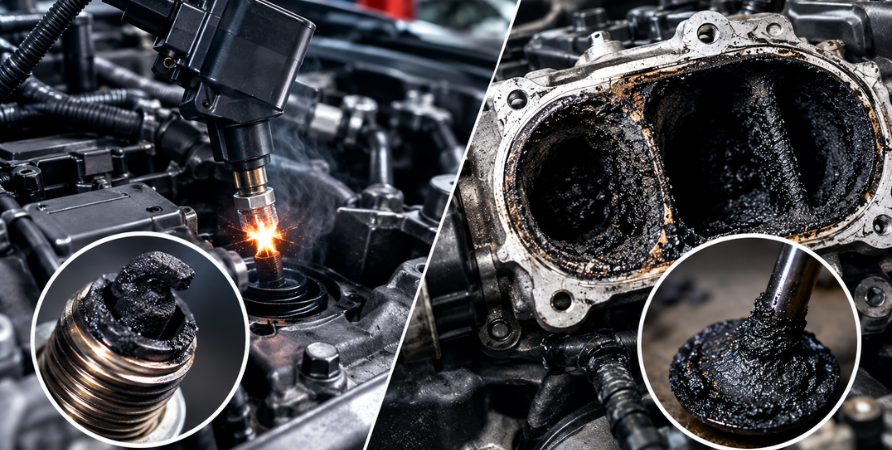
Misfires are common on petrol models, causing engine shuddering when pulling away, a rough idle, or hard cold starts.
Because petrol is sprayed directly into the combustion chamber, fuel never passes over the back of the intake valves to clean them. Carbon builds up on these valves and restricts airflow over time. Faulty ignition coils, worn spark plugs, or leaking injectors cause similar symptoms.
On diesel engines, worn injector copper washers allow hot gases to leak, baking the injector into the cylinder head. Listen for a distinct ticking sound from the top of the engine and check for exhaust smells under the bonnet.
If you are looking to buy a used Range Rover Evoque, arrange a professional pre-purchase inspection:
Most Range Rover Evoque engine faults stem from two main factors: frequent short trips and delayed oil changes.
You can prevent major repairs by servicing the car earlier than official guidelines suggest, taking regular longer drives, and acting on new engine noises straight away. Catching a problem early keeps your car on the road and protects your wallet.
What is the most common Range Rover Evoque engine problem?
Premature timing chain wear on the two-litre diesel engine is the most common fault. It starts as a rattle on cold starts. Blocked DPFs and sticky EGR valves are also very common.
Does the Evoque have a timing belt or chain?
Most Evoque engines use a timing chain. Older 2.2-litre diesel models use a timing belt, which must be replaced according to the manufacturer’s schedule to prevent engine damage.
Why does my Evoque rattle on a cold start?
Oil drains away from the hydraulic chain tensioner while the car sits overnight. A worn or stretched chain slaps against its guides until oil pressure builds up.
Why does my Evoque display “Service Required” early?
Diesel fuel has diluted the engine oil due to interrupted DPF cleaning cycles. The car requires a fresh oil and filter change rather than a simple light reset.
How much does a timing chain replacement cost on an Evoque?
Expect to pay between £1,500 and £2,500 at an independent specialist. Main dealers usually charge more. If the chain has snapped and damaged the valves, costs will be significantly higher.
Is a diesel or petrol Evoque more reliable?
Petrol models avoid DPF blockages and oil dilution issues, but they can suffer from coolant leaks and carbon build-up. Diesel models are durable on long runs but suffer if used mainly for short town journeys.
Can I drive with a DPF warning light on?
You can drive short distances directly to a garage or take the car on a steady 30-minute run to clear it. Continuing to drive short journeys with the light on will trigger limp mode and require a forced clean.
What causes turbo failure in a Range Rover Evoque?
Turbo failures are usually caused by oil issues. Thin, diluted oil or debris from broken timing chain guides starves the turbo bearings of proper lubrication.
Should I avoid specific Evoque model years?
Early diesel models produced before updated timing chain parts were introduced carry higher risks. Avoid any model that lacks a complete service history.
How often should an Evoque have an oil change?
Changing the oil every 8,000 miles or 12 months is recommended to protect the timing chain and turbocharger, well ahead of standard factory intervals.
What are the signs of a failing EGR valve?
Common signs include a rough engine idle, poor acceleration at low speeds, black exhaust smoke, and an engine warning light. If coolant disappears without a visible leak, the EGR cooler is likely failing.
Is a used Range Rover Evoque worth buying?
Yes, provided you get a full pre-purchase inspection, verify a complete service history, and ensure the engine has had regular oil changes.